

Classic marble in design: timeless elegance for 2026

Many designers assume classic marble feels outdated in today’s minimalist, tech-forward interiors. That belief couldn’t be further from reality. Classic marble continues to define luxury and versatility in 2026 home and commercial projects across the US, seamlessly bridging traditional elegance with contemporary innovation. This article explores how marble’s natural beauty, evolving trends, sustainability profile, and design flexibility make it an essential material for architects and interior designers crafting spaces that endure.
Table of Contents
- The Timeless Appeal Of Classic Marble In Modern Design
- Current Trends And Innovations: Marble’s Evolving Role In 2026
- Comparing Classic Marble With Modern Surface Alternatives
- Sustainability And Longevity: Classic Marble’s Environmental Impact
- Explore Premium Marble Solutions At Surfaces Galore
- Frequently Asked Questions About Classic Marble In Design
Key takeaways
| Point | Details |
|---|---|
| Timeless versatility | Classic marble adapts effortlessly from traditional estates to modern commercial spaces, offering unmatched aesthetic range. |
| Trending innovations | Custom fabrication and bold color choices in 2026 redefine how designers integrate marble into cutting-edge projects. |
| Smart material choice | Understanding marble’s strengths versus alternatives like quartz helps optimize design outcomes and client satisfaction. |
| Sustainable elegance | Marble’s durability and improved quarrying practices make it a responsible choice for eco-conscious luxury projects. |
The timeless appeal of classic marble in modern design
Classic marble captivates designers not through trends but through intrinsic qualities that newer materials struggle to replicate. Its natural veining tells a geological story millions of years in the making, creating patterns impossible to duplicate artificially. Each slab presents unique color depth, from crisp whites to warm beiges and dramatic grays, offering a visual richness that elevates any space.
Historically, marble symbolized permanence and prestige in structures from ancient Rome to Renaissance palaces. That legacy translates into modern contexts where clients seek materials conveying lasting value. Classic marble is prized for its unique veining, durability, and luxurious appeal that adapts across styles, from minimalist lobbies to maximalist residential kitchens.
Marble’s adaptability shines in diverse applications. You’ll find it anchoring sleek contemporary bathrooms as wall cladding, grounding traditional kitchens as countertops, or adding sophistication to commercial reception areas as flooring. Its cool surface and light-reflecting properties make spaces feel larger and brighter, a functional advantage beyond aesthetics.
Key properties that keep marble relevant include:
- Natural heat resistance ideal for kitchens and fireplaces
- Timeless color palettes that don’t date as trends shift
- Surface finishes from polished gloss to honed matte, fitting any design vision
- Proven durability lasting decades when properly maintained
- Compatibility with both warm and cool design schemes
Understanding marble’s role in interiors helps you position it strategically within projects, ensuring it enhances rather than overwhelms your design narrative.
Current trends and innovations: marble’s evolving role in 2026
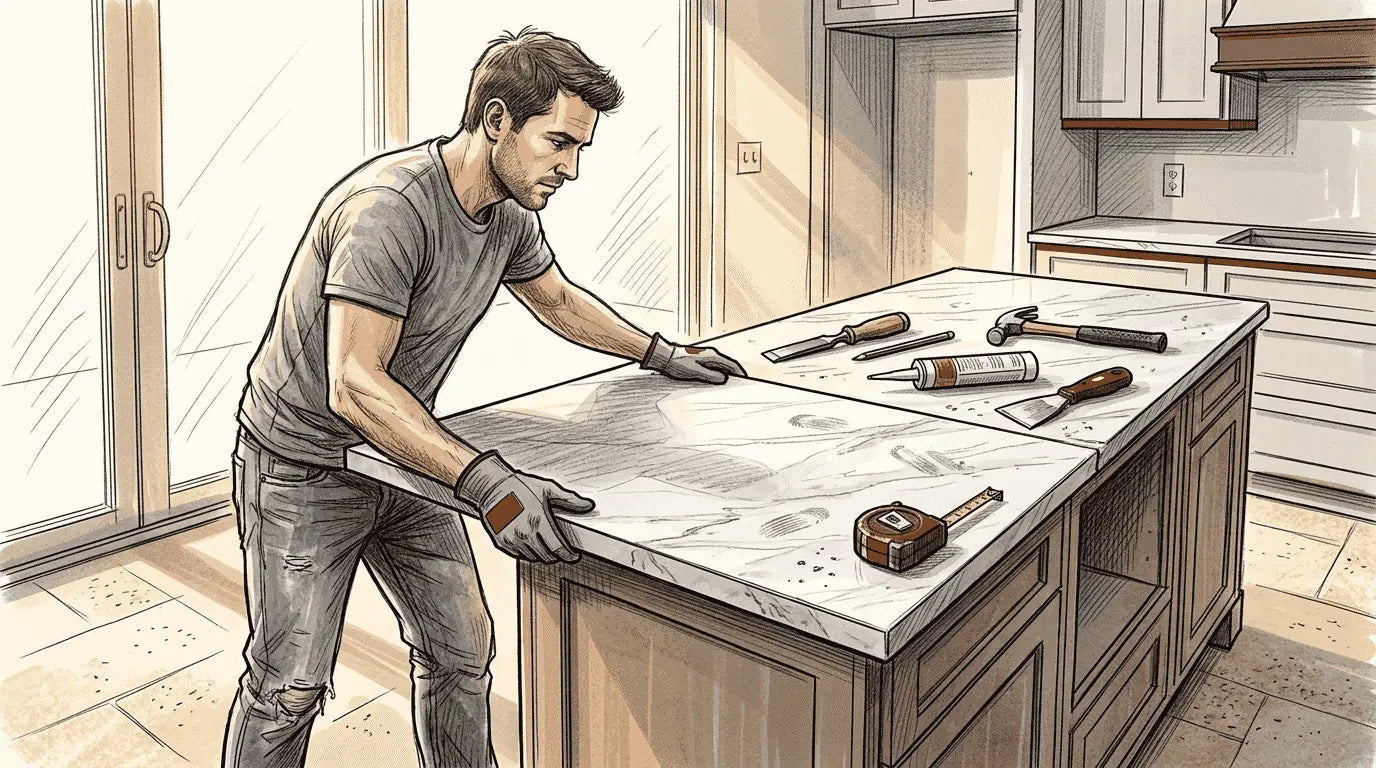
Marble isn’t frozen in history. It’s actively evolving through color trends, fabrication techniques, and application methods that speak directly to 2026 design sensibilities. Designers are embracing bolder marble selections that make statements while maintaining the material’s inherent sophistication.
Color trends shifted dramatically in recent years. While Carrara white remains popular, trendiest marble colors now include dramatic black marbles with gold veining, sage green varieties, and warm terracotta-toned stones. These options let you create focal points in open-plan spaces or add unexpected luxury touches in powder rooms and home offices.
Custom fabrication is revolutionizing marble possibilities. CNC technology enables intricate edge profiles, waterfall countertops, and seamless integrated sinks that were prohibitively expensive just five years ago. Marble custom fabrication allows you to design signature elements that distinguish your projects in competitive markets.
Innovations improving marble performance include:
- Advanced sealants extending stain resistance without altering appearance
- Resin-filled options reducing porosity while maintaining natural beauty
- Thin panel technology for wall applications reducing weight and installation complexity
- Book-matched slabs creating dramatic symmetrical patterns in feature walls
Pro Tip: Specify marble slabs during early design phases to ensure veining patterns align with your spatial concepts, avoiding last-minute compromises that dilute visual impact.
These trends prove marble isn’t competing with modern materials by mimicking them. It’s asserting its unique value through innovations that enhance its natural strengths while addressing traditional limitations.
Comparing classic marble with modern surface alternatives
Smart material selection requires understanding how marble stacks against alternatives your clients will inevitably ask about. Each material serves specific needs, and knowing these distinctions helps you recommend the right solution for each project context.
| Material | Durability | Cost Range | Maintenance | Aesthetic Appeal | Sustainability |
|---|---|---|---|---|---|
| Classic Marble | High (with care) | $$$ | Moderate to High | Unmatched natural beauty | Excellent (natural, long-lasting) |
| Quartz | Very High | $$ to $$$ | Low | Consistent, limited variation | Moderate (engineered process) |
| Granite | Very High | $$ | Low to Moderate | Natural with less veining | Good (natural stone) |
| Engineered Stone | High | $$ | Very Low | Uniform appearance | Lower (manufacturing intensive) |
Marble offers unmatched natural beauty but requires more attentive care than engineered alternatives. That trade-off makes perfect sense for luxury residential projects where clients value uniqueness and are committed to proper maintenance. For high-traffic commercial spaces with limited upkeep budgets, quartz or granite might serve better.
Key distinctions to communicate to clients:
- Marble shows character through patina development; engineered stones remain static
- Marble etches from acidic substances; quartz resists chemical damage
- Marble provides one-of-a-kind patterns; quartz offers predictable uniformity
- Marble appreciates in perceived value; alternatives depreciate as trends change
- Marble supports sustainable design goals; heavy manufacturing processes don’t
Pro Tip: Position marble for visible, low-impact areas like bathroom vanities or dining tables where its beauty shines and vulnerability matters less, reserving quartz for prep-heavy kitchen zones.
This comparison framework helps you guide clients toward materials matching their lifestyle reality, not just their aesthetic aspirations. The goal isn’t pushing marble universally but deploying it strategically where it delivers maximum impact.
Sustainability and longevity: classic marble’s environmental impact
Sustainability concerns dominate 2026 design conversations, making marble’s environmental profile a genuine selling point when properly understood. Natural stone’s inherent qualities and improving extraction practices position it favorably against manufactured alternatives.
Marble’s longevity directly supports sustainability. A properly maintained marble installation lasts 50 to 100 years, eliminating repeated replacement cycles that burden landfills and consume resources. This durability means fewer materials extracted, processed, and transported over a building’s lifespan compared to shorter-lived surfaces requiring periodic replacement.
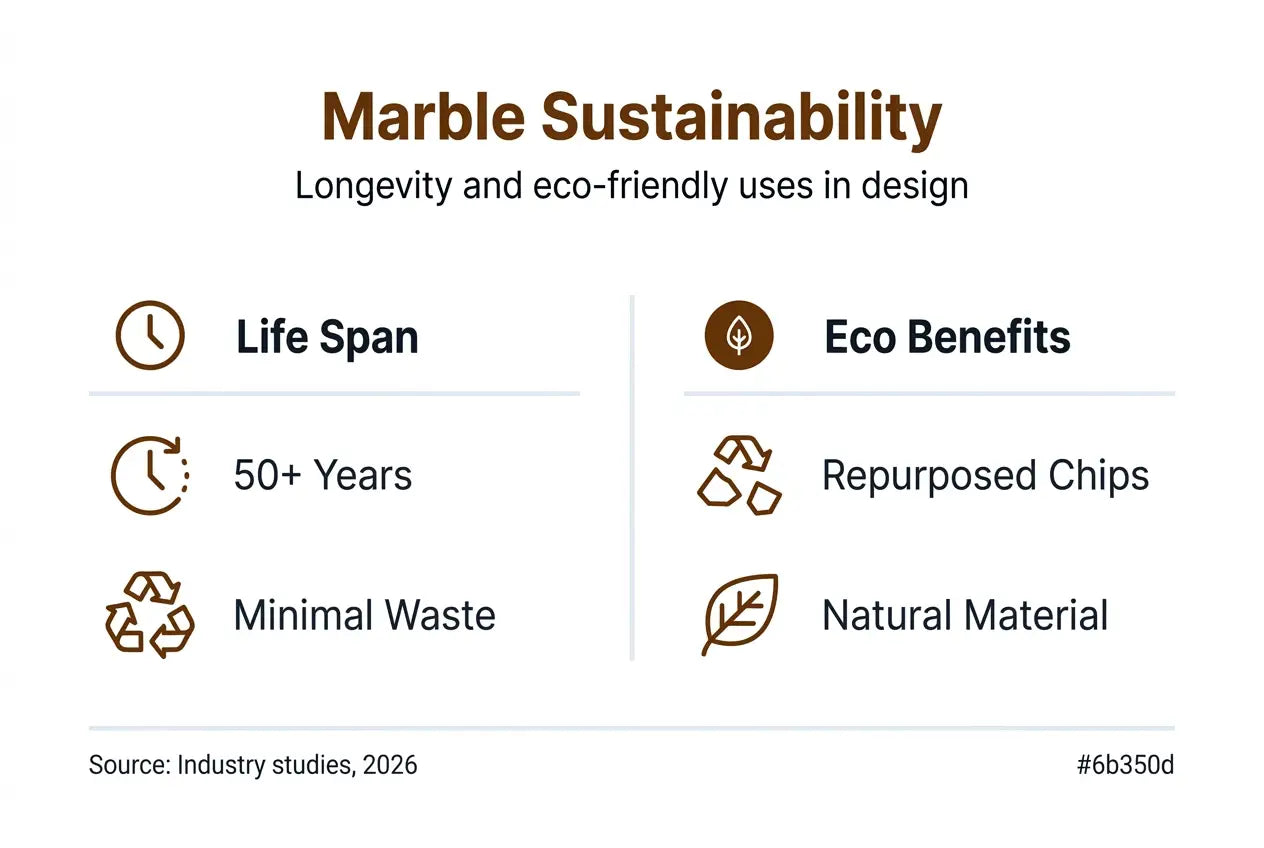
Quarrying practices improved substantially in recent years. Modern operations prioritize water recycling, dust control, and land restoration post-extraction. Many suppliers now track carbon footprints and offer transparency about sourcing, letting you specify marble as a sustainable surface with confidence in projects pursuing green certifications.
Key sustainability advantages include:
- Zero off-gassing or VOC emissions in finished installations
- Complete recyclability at end of life into aggregate or decorative elements
- Minimal processing compared to engineered stones requiring energy-intensive manufacturing
- Local sourcing options reducing transportation impacts for US-quarried varieties
- Natural thermal mass properties supporting passive climate control strategies
Marble remnants from fabrication get repurposed into mosaics, furniture accents, or landscaping elements, creating circular economy opportunities. This material efficiency matters to environmentally conscious clients who scrutinize every specification.
The sustainable surface value argument strengthens when you frame marble within whole-building lifecycle analysis rather than isolated material comparisons. A centuries-old material extracted with improving practices beats newly invented products requiring complex chemistry and significant embodied energy.
Explore premium marble solutions at Surfaces Galore
Translating marble’s potential into your projects requires partnering with suppliers who understand both the material and your design vision. Surfaces Galore brings three decades of natural stone expertise to interior designers and architects creating signature spaces across the US.
Our curated marble collection spans classic whites, trending colors, and rare varieties sourced directly from premium quarries. We specialize in matching stone selections to specific design requirements, whether you need consistent book-matched slabs for a corporate lobby or boldly veined statement pieces for a luxury residence. Custom fabrication services transform raw slabs into precisely detailed installations that realize your creative concepts.
Based in Anaheim with nationwide shipping, we serve as your strategic partner from material selection through installation support. Explore our marble offerings to discover how classic elegance and contemporary innovation combine in surfaces that define timeless luxury.
Frequently asked questions about classic marble in design
What are the best marble types for commercial use?
Calacatta and Carrara marbles work excellently in commercial settings due to their durability and timeless appeal. Honed finishes resist showing wear better than polished surfaces in high-traffic areas. For heavily used spaces, consider marble with minimal veining and consistent coloring to maintain appearance over time.
How do I choose marble colors that complement modern interiors?
Start by choosing marble colors that either contrast or harmonize with your dominant palette. Cool grays and whites enhance minimalist schemes, while warm beiges add softness to industrial aesthetics. Bold veining creates focal points, whereas subtle patterns provide sophisticated backdrops.
What maintenance practices help preserve marble’s beauty?
Seal marble annually using pH-neutral products designed specifically for natural stone. Clean daily with water and mild soap, avoiding acidic cleaners that etch surfaces. Blot spills immediately rather than wiping to prevent spreading. These simple habits maintain marble’s appearance for decades.
Can marble be combined effectively with other modern materials?
Absolutely. Marble pairs beautifully with metals, woods, and glass in contemporary designs. Modern marble uses include combining polished marble countertops with matte wood cabinetry or mixing marble accent walls with concrete flooring. Contrast in texture and finish creates dynamic, layered spaces.
How is marble custom fabrication improving design possibilities?
Advanced CNC cutting enables complex shapes, precise inlays, and seamless joints previously impossible. You can now specify curved reception desks, integrated drainage channels, or geometric wall patterns executed with millimeter accuracy. This precision expands creative freedom while maintaining marble’s natural elegance.
Leave a comment